





A PCB edge connector is not always a separate connector component. In many OEM products, the edge of the PCB itself becomes the connection interface. That area may need exposed copper pads, gold fingers, controlled plating, beveling, tight board thickness, and reliable contact with a socket or mating connector.
EBest Circuit (Best Technology) does not simply supply off-the-shelf connector components. We manufacture PCB boards with edge connector areas, gold fingers, controlled surface finish, beveling requirements, and optional PCBA support. These edge connectors circuit boards are often used in industrial control, communication modules, power systems, test fixtures, and other OEM electronic products where reliable plug-in contact matters.
If your project uses a PCB card edge connector, pcb board edge connectors, or edge contact areas, our team can review the manufacturing details before quotation. Send your Gerber files, stack-up, board thickness, plating requirement, beveling notes, connector socket information, quantity, and assembly needs to sales@bestpcbs.com. EBEST will help check what can be manufactured, what may need adjustment, and what could affect cost or lead time.
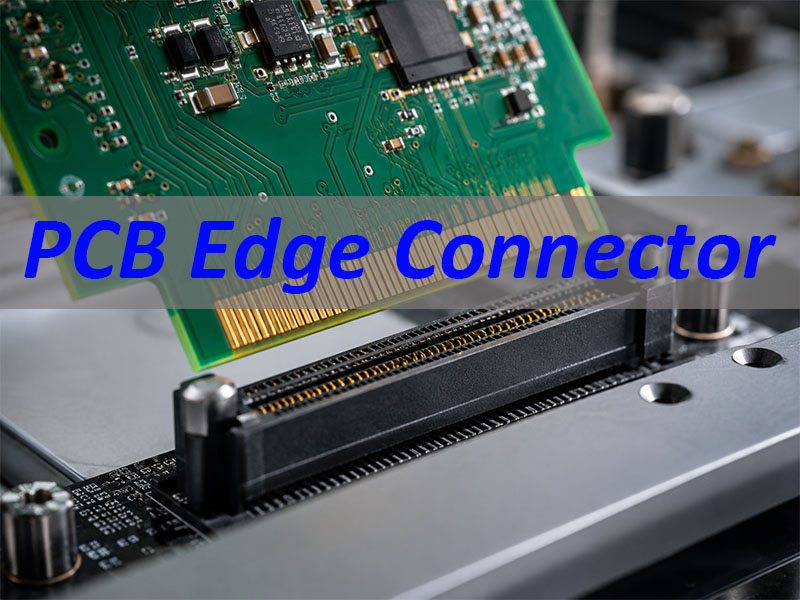
What Does EBest Circuit Support in PCB Edge Connector Fabrication?
EBest Circuit supports PCB edge connector fabrication for OEM boards where the PCB edge is used as a plug-in or contact interface.
This may include:
- PCB edge contact areas
- Gold finger PCB fabrication
- PCB card edge connector boards
- Edge connector PCB designs
- Hard gold or ENIG surface finish review
- Beveling requirement review
- Board thickness and tolerance control
- Solder mask opening around contact pads
- Electrical testing
- Optional PCB assembly support
The key point is simple: EBEST is not selling the connector socket as a catalog product. We manufacture the PCB board that works with the connector interface.
This matters because an edge connector area is not just a row of pads at the board edge. It must be reviewed as a functional contact zone. If the plating, beveling, board thickness, or pad layout is wrong, the PCB may be difficult to insert, unstable during use, or unreliable after repeated plugging.
For OEM buyers, a PCB edge connector project should be checked before fabrication, not after the boards arrive.
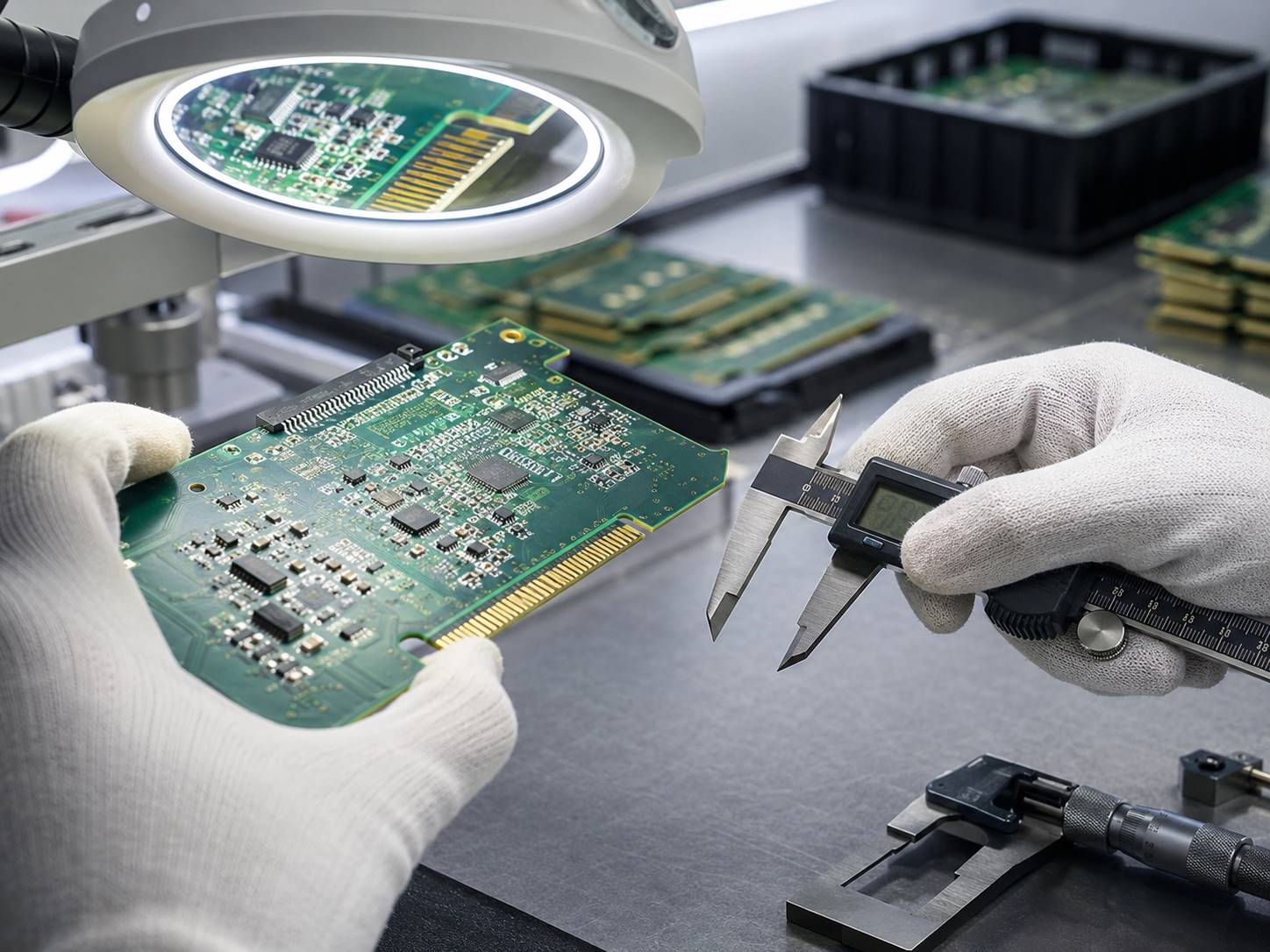
How We Review Gold Finger and Edge Contact Areas Before Production
Before producing a PCB edge connector board, EBEST reviews the edge contact area from a manufacturability and reliability point of view.
We usually check:
- Contact pad location
- Pad width and spacing
- Distance from pads to the board edge
- Solder mask clearance
- Copper exposure requirement
- Plating requirement
- Beveling position
- Board thickness
- Board outline tolerance
- Socket or mating connector fit
- Panelization and routing method
- Electrical test requirement
Gold fingers and edge contact pads must be clear in the Gerber files. If the contact zone is not defined properly, production may need extra engineering confirmation.
For example, a pcb card edge connector area usually needs clean edge routing, controlled pad exposure, and suitable surface finish. If the board will be inserted into a socket many times, the contact area may need stronger wear resistance than a standard PCB pad.
This is why EBEST recommends sending the connector socket datasheet or mechanical drawing when available. It helps confirm the card edge position, insertion direction, board thickness, and tolerance before production.
What Plating Options Are Used for PCB Edge Connector Boards?
Plating is one of the most important decisions in PCB edge connector fabrication. The wrong finish can reduce contact reliability or increase wear during insertion.
Common options include:
- Hard gold
Often used for gold finger areas that require repeated insertion and better wear resistance. - ENIG
Often used on standard PCB pads and some contact applications, depending on the design and durability requirement. - Selective gold plating
Used when only the edge connector area needs gold, while other PCB areas use another surface finish. - Other surface finishes
Options such as HASL, lead-free HASL, OSP, immersion tin, or immersion silver may be suitable for other PCB areas, but they are not always ideal for repeated edge contact.
Hard gold edge connectors on PCB projects usually need clearer specification than standard ENIG boards. Buyers should confirm whether the contact area needs repeated insertion, long service life, or special wear resistance.
For reliable quotation, please provide:
- Required surface finish
- Gold finger area drawing
- Nickel/gold thickness requirement if specified
- Whether selective plating is needed
- Whether the board also needs assembly
- Application environment
If the specification is not clear, EBEST can help review the requirement and discuss a practical option before quotation.
How Beveling, Board Thickness, and Tolerance Affect Plug-In Reliability
For PCB edge connector boards, beveling, board thickness, and tolerance can directly affect how the PCB fits into a socket.
If the board edge is too sharp, insertion may be difficult. If the bevel is not suitable, the board may not enter the connector smoothly. If the board thickness is outside the socket requirement, the connection may be too tight, too loose, or unstable.
Important points include:
- Board thickness
- Board thickness tolerance
- Bevel angle
- Bevel depth
- Connector socket requirement
- Finished board outline
- Routing quality
- Contact pad position after routing
- Mechanical fit after surface finish
This is especially important for pcb board edge connectors used in industrial control equipment, communication modules, power systems, automotive electronics, and test fixtures.
Some projects use the PCB edge only for signal connection. Others may use high current PCB edge connector areas, which need more careful review of copper thickness, contact width, temperature rise, and mechanical stability.
EBEST reviews these details before production because plug-in reliability depends on both electrical and mechanical control.
What Design Files Help Us Quote PCB Edge Connector Boards Accurately?
To quote a PCB edge connector board accurately, EBEST needs more than a general request like “pcb edge connector.”
A complete file package helps us review the project faster and reduce engineering back-and-forth.
Please prepare:
- Gerber files
- Drill files
- PCB stack-up
- Board thickness
- Copper thickness
- Surface finish requirement
- Gold finger or edge contact drawing
- Beveling requirement
- Connector socket datasheet if available
- Board outline drawing
- Tolerance requirement
- Quantity
- Delivery target
- BOM and assembly files if PCBA is needed
If your design includes an edge connector PCB footprint, card edge connector PCB footprint, or special connector socket, please include the mechanical information. This helps confirm whether the PCB edge, thickness, pad position, and beveling match the mating connector.
For projects involving RF edge-mount connectors, such as SMA PCB edge connector designs, the situation is different. Those are usually physical connector components mounted at the board edge. In that case, EBEST needs the BOM, footprint, assembly drawing, and RF layout notes for PCBA review.
Clear files help us provide a clearer PCB fabrication quote.
Which OEM Applications Use PCB Edge Connector Boards?
PCB edge connector boards are used when a PCB needs to plug into another system, socket, test fixture, or module.
Common applications include:
- Industrial control boards
- Communication modules
- Power supply modules
- Battery and energy control boards
- Test fixtures
- Programming boards
- Automotive control electronics
- Medical device control boards
- LED control boards
- Computer and embedded system boards
- Modular electronic products
A printed circuit board edge connector can reduce the need for additional wire connections or separate board-mounted connectors in some designs. It can also make a board easier to insert, replace, test, or service.
However, this convenience depends on manufacturing control. The contact area must be reliable, the edge must fit the socket, and the plating must match the expected use.
For OEM customers, the main question is not only “Can this PCB have an edge connector?” The better question is: “Can this PCB edge connector area be manufactured consistently for the product’s real working condition?”
EBEST helps review that question before fabrication.
Can PCB Edge Connector Fabrication Be Combined with PCBA Support?
Yes. PCB edge connector fabrication can be combined with PCBA support when the customer needs both bare PCB manufacturing and assembly.
This is useful when the board includes:
- SMT components
- Through-hole parts
- BGA or QFN packages
- Edge-mount connectors
- Terminals
- ICs
- Sensors
- LEDs
- Programming interfaces
- Functional test points
For PCBA projects, the edge connector area should be reviewed together with the assembly process. For example, gold finger areas usually need to stay clean and free from solder contamination. If edge-mount SMA, USB, ribbon, or wire-to-board connectors are used, the footprint, assembly direction, soldering process, and mechanical strength should be checked before production.
EBEST can support:
- PCB fabrication
- Component sourcing review
- SMT assembly
- Through-hole assembly
- BGA/QFN assembly
- Connector assembly
- AOI inspection
- X-ray inspection when required
- Functional testing based on customer requirements
- Packaging and delivery coordination
A PCB edge connector board is often part of a larger electronic product. When fabrication and assembly are reviewed together, customers can reduce handoff risk and avoid problems during final testing.
FAQs About PCB Edge Connector
What is a PCB edge connector?
A PCB edge connector is a connection interface formed at the edge of a PCB. The board edge may include exposed contact pads or gold fingers that plug into a socket or mating connector.
Does EBEST sell PCB edge connector components?
EBEST mainly manufactures PCB boards with edge connector areas, gold fingers, plating, beveling, and controlled board thickness. We are not a catalog supplier of off-the-shelf connector components.
What is the difference between a PCB edge connector and a PCB card edge connector?
They are closely related terms. A PCB card edge connector usually refers to a board edge interface designed to plug into a card edge socket. A PCB edge connector can also describe other edge contact or edge interface structures.
Is hard gold required for PCB edge connector boards?
Not always. Hard gold is often used for repeated insertion and better wear resistance. ENIG may be suitable for some lower-wear applications. The best option depends on the application, insertion cycles, contact requirement, and customer specification.
Why is beveling important for PCB edge connectors?
Beveling helps the PCB edge enter the socket more smoothly. Without suitable beveling, insertion may be difficult or the contact area may wear faster.
What files should I send for a PCB edge connector quote?
Please send Gerber files, drill files, stack-up, board thickness, copper thickness, surface finish requirement, gold finger drawing, beveling notes, connector socket datasheet, quantity, and PCBA files if assembly is needed.
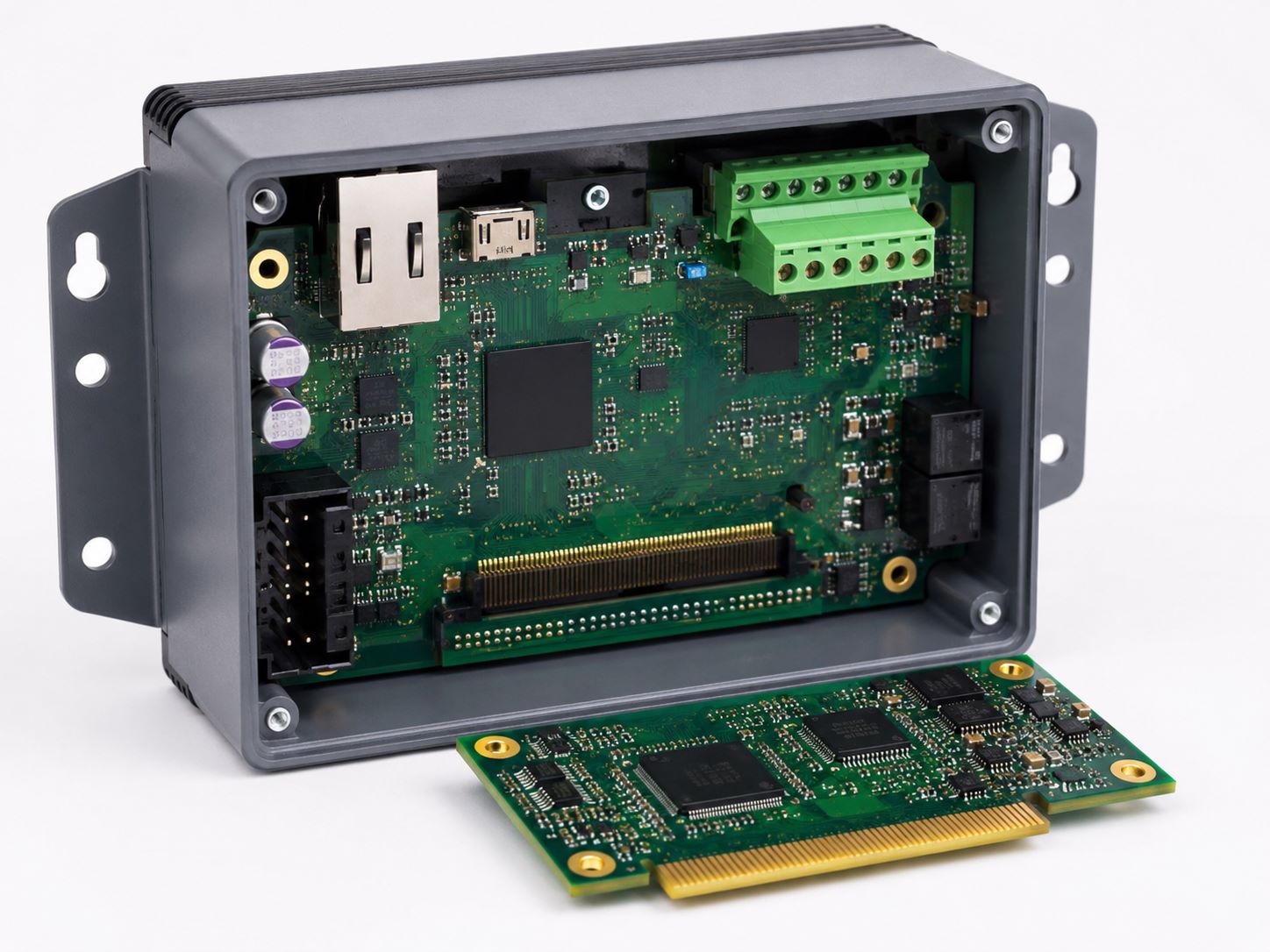
All in all, PCB edge connector fabrication is not just a connector topic. It is a PCB manufacturing and reliability topic. The board edge, contact pads, plating, beveling, board thickness, tolerance, and socket fit all affect how the finished PCB works in the real product.
EBest Circuit (Best Technology) supports OEM customers with PCB edge connector board fabrication, gold finger review, plating selection, beveling review, board thickness control, electrical testing, and optional PCBA support.
If your project needs a pcb edge connector, pcb card edge connector, gold finger PCB, edge connector PCB, or PCB board edge connector solution, please send your files and requirements to sales@bestpcbs.com. Our team will review your project carefully and help you move forward with a clearer manufacturing plan.
You may also like

Tags: Gold Finger PCB, PCB Card Edge Connector, PCB Edge Connector