





A computer circuit board is the foundational platform that hosts and interconnects all critical electronic components, enabling a computer system to function. This article explores the intricacies of computer PCBs, from the central main circuit board of the computer to specialized boards, detailing their design, manufacturing, and the comprehensive solutions required for reliable performance.
Are you facing these common pain points in sourcing computer circuit boards?
- Design Complexity & Signal Integrity Issues: Dense computer circuit board design complicates high-speed routing, power integrity, and thermal control.
- Supply Chain and Component Sourcing Headaches: Reliable IC sourcing for computer circuit board repair or new builds remains slow and risky.
- Inconsistent Manufacturing Quality: Defects, weak soldering, and unstable multilayer structures cause reliability failures.
- Limited Technical Support & Prototyping Agility: Insufficient DFM support and slow prototyping delay validation cycles.
- Lack of Integrated PCBA Services: Split PCB fabrication and assembly slow delivery and weaken accountability.
These hurdles underscore the need for a unified, expert partner. The solution lies in engaging a manufacturer with end-to-end capability and deep domain expertise.
Core Solutions for Computer Circuit Board Challenges:
- Advanced Engineering & Simulation Support: Simulation-driven design ensures signal, power, and thermal integrity for every computer circuit board.
- Streamlined Component Procurement & Management: Certified sourcing secures all critical computer circuit board parts with reduced risk.
- Rigorous, Multi-Stage Quality Assurance: AOI, X-ray, and functional testing guarantee board-level reliability.
- Collaborative Design Review & Rapid Prototyping: DFM-backed reviews and fast prototyping shorten validation cycles.
- Seamless Full-Turnkey PCBA Service: Fabrication, assembly, and testing are delivered under one accountable process.
At BEST Technology, we are a professional PCB and PCBA manufacturer with 19 years of extensive experience in producing high-reliability computer circuit boards. Our full PCBA capability ensures a seamless production from your design files to fully assembled and tested boards. We combine advanced manufacturing technology with stringent quality control to deliver viable circuit board solutions. Pls feel free to contact our team at sales@bestpcbs.com to discuss your circuit board computer project requirements.
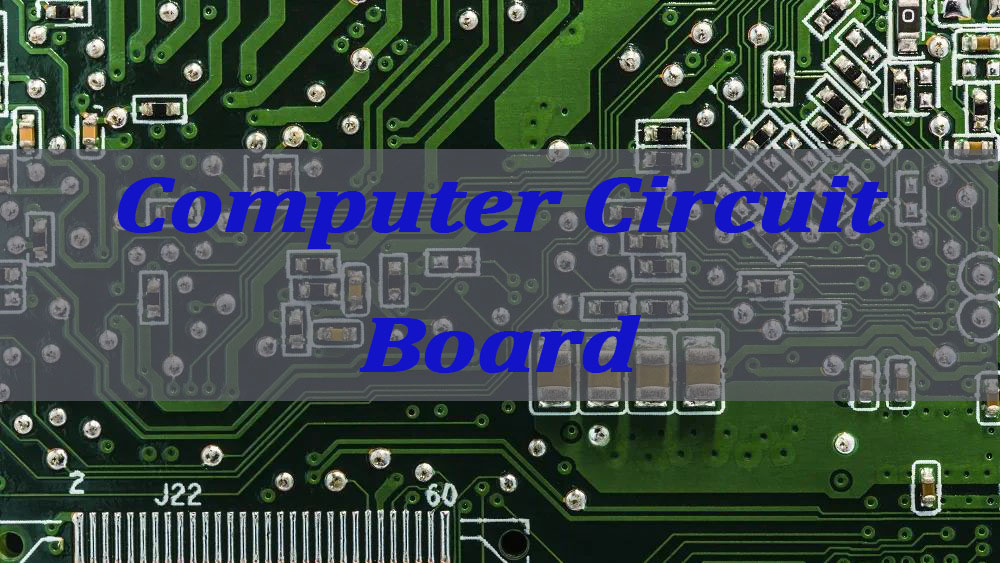
What Is the Main Circuit Board of a Computer?
Often referred to as the motherboard or system board, the main circuit board in a computer is called the central nervous system of the PC. It is the primary circuit board within a personal computer, providing the electrical connections and mechanical framework that allow the CPU, memory, storage, and expansion cards to communicate.
- Core Function: It hosts the CPU socket, memory slots, chipset, and expansion slots (PCIe).
- Power Distribution: Delivers stable power from the PSU to all components via a complex circuit board pattern of power planes.
- Data Highway: Contains the traces that form the data buses (e.g., memory bus, DMI) connecting key subsystems.
- Input/Output Hub: Integrates connectors for peripherals (USB, audio, network) and internal devices (SATA).
- Firmware Foundation: Houses the BIOS/UEFI firmware chip, which initializes hardware during boot-up.
In essence, the motherboard is the main circuit board of the computer, defining its capabilities, compatibility, and overall architecture. Its design is critical to system stability and performance.
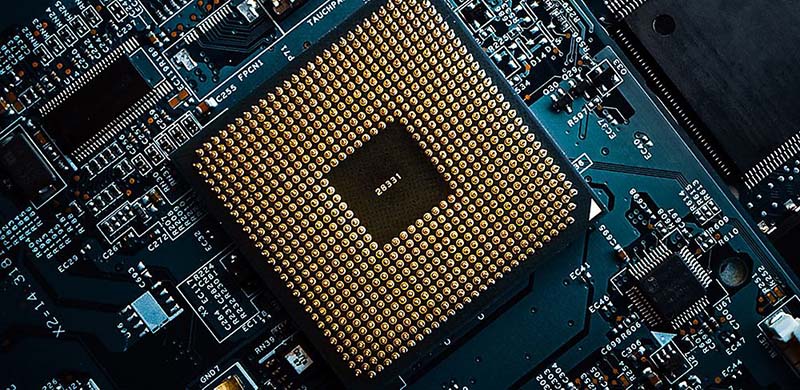
Common Types of Computer Circuit Boards Found Inside Modern Computers
Beyond the computer’s main circuit board, a modern computer is a collection of specialized circuit boards each dedicated to a specific function.
| Board Type | Main Role | Key Traits |
|---|---|---|
| Motherboard | Core system interconnect | Largest board, high layer count, many interfaces |
| Graphics Card (GPU PCB) | Graphics processing | High-speed, high-power, VRAM & thermal design |
| Memory Module (DIMM) | Temporary data storage | Compact, standardized, dense memory layout |
| Storage (SSD Controller Board) | Flash control & data access | Small form factor, SATA/NVMe interfaces |
| Network Interface Card (NIC) | Network communication | PHY chips, RF or Ethernet interfaces |
| Power Supply Unit (PCB) | Power conversion | High current, transformers & capacitors |
Other examples include the computer keyboard circuit board, computer mouse circuit board, and computer monitor circuit board. Each represents a tailored PCB circuit solution for its unique task.
How Does a Computer Circuit Board Work?
Understanding how a computer circuit board works involves recognizing its role as an interconnected ecosystem. At its core, a computer printed circuit board uses conductive copper traces etched onto a non-conductive substrate to create pathways for electrical signals and power.
The fundamental working principle involves three key elements:
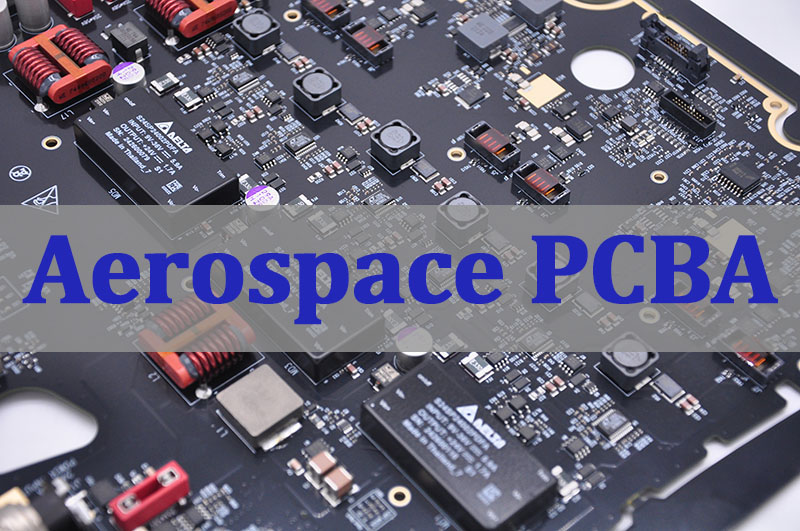
- Components: Active (IC board components like CPUs, memory chips) and passive (resistors, capacitors) devices are soldered onto the board.
- Traces & Planes: Thin copper lines (traces) connect component pins, while larger copper areas (planes) distribute power and ground.
- Substrate: The insulating base material (like FR-4) supports the components and copper layers.
How a Printed Circuit Board in Computer Connects Chips, Memory, and Peripherals?
This connectivity is achieved through a hierarchical design. The main circuit board of the computer (motherboard) contains the primary data highways (buses). The CPU communicates with the memory controller over a dedicated high-speed bus. Expansion devices, like a GPU on its own circuit board, connect via standardized slots (PCIe) that plug into the motherboard. Slower peripherals use dedicated controllers (for SATA, USB) integrated into the chipset. The PCB means of connection is this intricate, layered network of traces that ensures synchronized data flow between all parts, making the circuit board of a computer a marvel of electrical engineering.
Understanding Computer Circuit Board Components and Their Functions
A populated computer circuit board is a landscape of various components. Here are the key computer circuit board parts and their roles:
- Integrated Circuits (ICs/Chips): The “brains” and specialized processors. This includes the CPU, GPU, memory chips, and chipset.
- Resistors: Limit or regulate the flow of electrical current. Used for pull-up/pull-down networks and current limiting.
- Capacitors: Store and release electrical energy. They filter power supply noise, decouple ICs, and stabilize voltage.
- Inductors/Coils: Store energy in a magnetic field. Used in power supply circuits to smooth current.
- Crystals/Oscillators: Generate the precise clock signals that synchronize the operations of all digital ic board components.
- Connectors: Provide physical and electrical interfaces, such as PCIe slots, SATA ports, USB headers, and power inputs.
- Diodes & Transistors: Control the direction of current flow and act as electronic switches or amplifiers.
Each component on the computer circuit board diagram plays a specific role in ensuring signal integrity, power delivery, and logical operation.
Why the Motherboard Computer Circuit Board Is the Central Hub of a PC?
The main circuit board of a personal computer, the motherboard, earns its “central hub” status through its irreplaceable functions:
- Physical Foundation: It is the largest circuit board in a computer, providing the mounting point for the CPU, RAM, and expansion cards.
- Electrical Nexus: Its multilayer structures contain the complex wiring (traces and planes) that deliver power and facilitate all data communication between components.
- Compatibility Arbiter: The motherboard’s chipset and socket define which generation and type of CPU, RAM, and peripherals can be used.
- Expansion Enabler: Through standardized slots (PCIe, M.2) and headers, it allows the system’s capabilities to be upgraded or specialized.
- System Management Center: It hosts the firmware (BIOS/UEFI) for boot-up and basic hardware control, and often includes hardware monitoring chips.
Without this primary circuit board of a computer, the individual components would have no way to interact, rendering them useless.
What Are the Advantages of Using HDI Technology in a Computer Circuit Board?
High-Density Interconnect (HDI) technology is crucial for advanced computer circuit board design, especially in space-constrained, high-performance applications like laptops, servers, and GPUs.
- Increased Wiring Density: Allows for more components and connections in a smaller area, enabling miniaturization.
- Improved Signal Integrity: Shorter signal paths and microvias reduce parasitic inductance/capacitance, which is vital for high-speed signals in computer circuit boards.
- Enhanced Power Integrity: Facilitates better power distribution networks with more vias for connecting power planes.
- Design Flexibility: Enables the use of finer pitch components, such as advanced BGAs for CPUs and chipsets.
- Potential for Fewer Layers: Can sometimes reduce the overall layer count compared to a conventional PCB design for the same complexity, saving cost and thickness.
For a computer printed circuit board handling GHz-speed processors, HDI is often not just an advantage but a necessity.
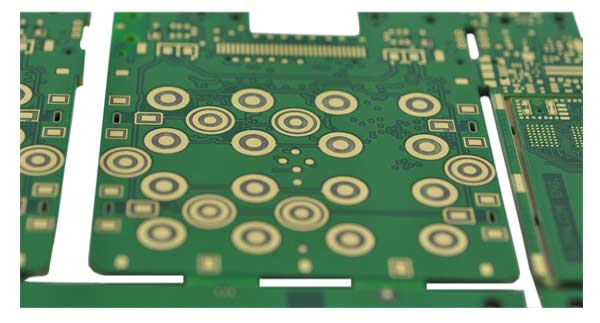
How to Make a Computer Circuit Board?
The journey of how to make a computer circuit board is a precise, multi-step manufacturing process.
- Design & Output: Engineers create the computer circuit board diagram using CAD software, which generates Gerber and drill files.
- Substrate Preparation: The base laminate (e.g., FR-4) is cleaned and coated with a thin layer of copper.
- Imaging & Etching: A photoresist is applied and exposed to UV light through the Gerber film. The unexposed resist is washed away, and the unwanted copper is etched off, leaving the desired circuit board pattern.
- Lamination & Drilling: For multilayer computer circuit board designs, etched cores and prepreg layers are stacked and laminated under heat and pressure. Laser or mechanical drills create holes for vias and component leads.
- Plating & Coating: Holes are plated with copper to create electrical connections between layers. A solder mask (often green, hence a green computer circuit board) is applied for insulation, and a silkscreen legend is added for markings.
- Surface Finish: Exposed copper pads receive a final coating (like ENIG or HASL) to prevent oxidation and ensure solderability.
- Electrical Test & Profiling: Each board is electrically tested for continuity and isolation, then routed out from the production panel.
This process transforms a digital design into the physical PCB circuit board ready for component assembly.
What Testing Methods Are Used to Verify Computer Circuit Board Quality?
Ensuring the reliability of a computer circuit board requires rigorous testing at multiple stages.
- Automated Optical Inspection (AOI): Cameras scan the bare and assembled board for visible defects like scratches, misalignment, or missing computer circuit board components.
- X-Ray Inspection (AXI): Crucial for inspecting solder joints under Ball Grid Array (BGA) chips and verifying multilayer structures for internal voids or alignment.
- In-Circuit Test (ICT): Uses a bed-of-nails fixture to make electrical contact with test points on the board, checking for correct component values, shorts, and opens.
- Flying Probe Test: A flexible alternative to ICT, using moving probes to test electrical parameters without a custom fixture.
- Functional Test (FCT): The assembled board is powered up and tested in a simulated or real operating environment to verify it performs its intended function correctly.
These methods collectively ensure that every computer circuit board repair or new build meets the highest quality standards before integration.
What Is the Role of PCB Assembly in Computer Circuit Board Reliability?
PCB Assembly (PCBA) is the transformative process where a bare PCB circuit board becomes a functional electronic assembly. Its role in reliability is paramount:
- Secure Mechanical Bonding: Proper soldering creates a strong, durable mechanical connection between components and the board, resisting vibration and thermal stress.
- Ensuring Electrical Continuity: High-quality solder joints form low-resistance electrical paths, which is critical for signal integrity and power delivery in a computer circuit board.
- Thermal Management: Assembly includes applying thermal interface materials (TIMs) like paste or pads, which are essential for transferring heat from IC board components to heatsinks.
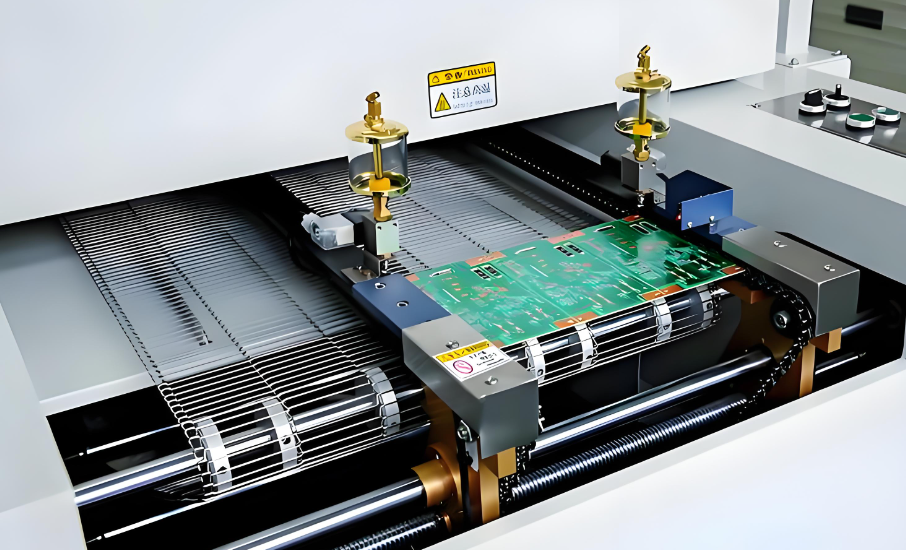
- Process Control: A controlled assembly process (reflow oven profiles, solder paste inspection) prevents defects like cold solder joints, tombstoning, or voiding that lead to early failures.
- Final Validation: Assembly is followed by the testing regimes mentioned above, which are the final gatekeepers for releasing a reliable product.
Without expert PCBA, even the most perfectly fabricated computer printed circuit board will fail.

How a Professional Computer Circuit Board Manufacturer Supports PCB and PCBA Projects?
A professional PCB manufacturer like BEST Technology provides end-to-end partnership, which is the essence of Computer Circuit Board Solutions With Full PCBA Capability.
- Expert Design for Manufacturability (DFM) Review: Analyzing your design files early to prevent costly manufacturing issues, optimizing for yield and reliability.
- Comprehensive Material Selection Guidance: Advising on the best substrate materials, copper weights, and surface finishes for your specific computer circuit board application (e.g., high-speed, high-power).
- Advanced Manufacturing Execution: Utilizing precision equipment for imaging, lamination, drilling, and plating to produce complex multilayer computer circuit board designs with consistency.
- Turnkey Component Sourcing & Management: Procuring all computer circuit board parts from a vetted supply chain, managing inventory, and mitigating shortage risks.
- State-of-the-Art Assembly Lines: Employing high-precision SMT placement, controlled reflow soldering, and skilled through-hole assembly for mixed-technology boards.
- Integrated Quality & Testing Hub: Incorporating AOI, X-Ray, ICT, and functional testing into a seamless workflow, ensuring every board is validated.
- Continuous Technical Support: Providing clear communication and engineering support from prototyping through volume production.
This holistic support system de-risks your project and accelerates your path from concept to a market-ready product.
In a nutshell, the computer circuit board is the silent, sophisticated backbone of every computing device, with the main circuit board in a computer—the motherboard—serving as its commanding center. From understanding their components and manufacturing to leveraging advanced HDI and testing for reliability, successful hardware development hinges on mastering these intricate platforms.
For projects demanding precision and reliability, partnering with an PCB and PCBA manufacturer is key. BEST Technology offers comprehensive Computer Circuit Board Solutions With Full PCBA Capability, guiding your design from concept to fully validated assembly. A warm welcome to reach out to our team at sales@bestpcbs.com to start a conversation about your specific computer printed circuit board needs.
FAQs
- Is there gold in computer circuit boards?
Yes, trace amounts of gold are used in some computer circuit boards, primarily as a corrosion-resistant plating on high-reliability connectors and certain semiconductor packages due to its excellent conductivity. However, the concentration is very low, making computer circuit board recycling for gold a complex process typically done at an industrial scale. - What is the largest circuit board in a computer?
The largest circuit board in a computer is almost always the main circuit board of the computer, the motherboard. It provides the physical and electrical foundation to connect all major subsystems. - Is the motherboard the main circuit board of the computer?
Absolutely. The motherboard is the main circuit board of the computer. It is the primary circuit board of a computer system, housing the CPU, memory, and expansion slots, and facilitating all critical communication between components. - What Is the Difference Between a Motherboard and a Computer Circuit Board?
A motherboard is a specific type of computer circuit board—it is the main circuit board in a computer. The term “computer circuit board” is a broader category that includes the motherboard, but also all other boards inside a computer, such as graphics cards, memory modules, and network cards. - How Are Multilayer Structures Used in a Computer Circuit Board?
Multilayer structures are essential in modern computer circuit board design to accommodate complex wiring. Layers are dedicated to specific functions: inner layers often serve as solid power and ground planes for stable voltage and noise reduction, while signal traces are routed on dedicated layers to manage impedance and prevent crosstalk in high-speed designs. - What Certifications Should a Reliable Computer Circuit Board Manufacturer Provide?
A reliable manufacturer should hold certifications like ISO 9001 (Quality Management), ISO 14001 (Environmental Management), and IATF 16949 (for automotive, indicating rigorous process control). For specific industries, UL certification for the base materials and ITAR registration (for US defense work) may also be critical. - How Does Copper Thickness Impact a Computer Circuit Board’s Performance?
Copper thickness (measured in ounces per square foot) directly impacts current-carrying capacity and thermal performance. Thicker copper is used for high-power sections of a computer circuit board (like CPU/GPU power delivery) to reduce resistance and heat generation. It also influences the controlled impedance of high-speed signal traces, which must be carefully calculated during design. - What Is the Difference Between Single-Layer and Multilayer Computer Circuit Board Designs?
A single-layer PCB circuit board has conductive copper on only one side of the substrate, limiting routing complexity. A multilayer computer circuit board stacks multiple conductive layers insulated from each other, allowing for vastly more complex and dense interconnections, better power distribution, and improved signal integrity, which is necessary for all modern main circuit board in computer designs and high-performance ancillary boards.
You may also like
Tags: Computer Circuit Board, Computer Circuit Board Components, Main Circuit Board of a Computer, Motherboard Computer Circuit Board, Printed Circuit Board in Computer