





Integrated circuits sit quietly at the heart of modern electronics, yet the work behind their design and integration onto boards is anything but simple. Whether you are developing industrial control systems, consumer electronics, or communication devices, a well-executed IC board design directly shapes performance, reliability, and production cost. Many engineers and sourcing professionals are now turning to China IC board design manufacturers for a practical balance between engineering expertise and factory pricing, especially when speed and scalability matter.
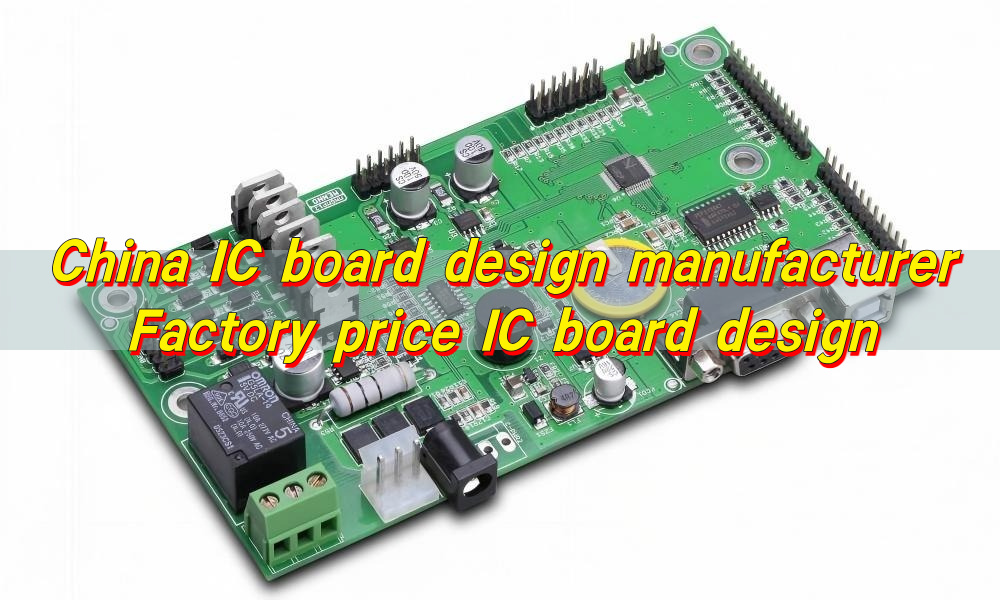
What is IC design?
IC design refers to the process of creating integrated circuits, where multiple electronic components such as transistors, resistors, and capacitors are fabricated onto a single semiconductor substrate. Instead of assembling discrete components on a board, IC design compresses entire functional systems into compact silicon chips.
From a practical standpoint, IC design involves several stages:
- Concept and functional specification
- Circuit schematic development
- Simulation and verification
- Layout design at the semiconductor level
- Fabrication and testing
Unlike traditional board-level design, IC design operates at a microscopic scale. Engineers deal with nanometer-level geometries, signal integrity inside silicon, and power distribution within extremely tight constraints. This level of integration allows devices to achieve high performance while maintaining low power consumption and compact size.
In real-world applications, IC design enables:
- Microcontrollers used in industrial automation
- Communication chips in wireless devices
- Power management ICs in automotive systems
- Sensor ICs in medical and wearable equipment
Is IC design the same as PCB design?
IC design and PCB design are closely related, yet fundamentally different disciplines. They operate at different levels of abstraction, use different tools, and address distinct engineering challenges.
IC design focuses on what happens inside the chip, while PCB design determines how that chip interacts with other components on a board. Both are essential, but they require different skill sets and design methodologies.
Here is a clear comparison:
| Aspect | IC Design | PCB Design |
|---|---|---|
| Design Level | Semiconductor (chip-level) | Board-level (system integration) |
| Scale | Nanometer to micrometer | Millimeter to centimeter |
| Components | Transistors, diodes, passive elements | ICs, connectors, discrete components |
| Tools | EDA tools for chip layout | PCB CAD tools (Altium, Eagle, etc.) |
| Focus | Functionality within silicon | Connectivity and physical layout |
| Manufacturing | Semiconductor fabrication plants | PCB fabrication and assembly |
While IC design defines the internal behavior of a chip, PCB design ensures that the chip functions correctly within a larger system. A mismatch between these two layers can lead to signal issues, power instability, or thermal challenges.
Professional IC board design combines both perspectives. Companies like EBest Circuit (Best Technology) approach this by aligning chip specifications with PCB layout strategies, ensuring that every IC performs optimally once mounted on the board.
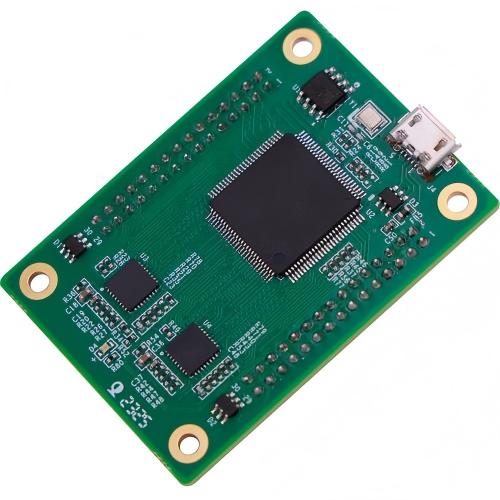
How Do You Identify IC on PCB?
ICs are typically the most functionally significant components on a board, and they often have distinctive physical and labeling characteristics.
On a typical PCB, ICs can be recognized by:
- Black or dark-colored rectangular packages
- Multiple pins arranged in rows or grids
- Markings such as part numbers, manufacturer codes, or logos
- Placement near key functional zones like processing, communication, or power regulation
Different package types also provide clues:
- DIP (Dual In-line Package): Larger, through-hole components often used in older or prototyping designs
- SOP/SOIC: Surface-mounted packages with gull-wing leads
- QFP (Quad Flat Package): Fine-pitch pins on all four sides
- BGA (Ball Grid Array): No visible pins, solder balls underneath
To accurately identify an IC, engineers often rely on:
- Silkscreen labels on the PCB (e.g., U1, U2)
- Datasheets referenced by part numbers
- Circuit schematics
In high-density IC board design, especially in industrial or compact consumer products, IC placement becomes more strategic. Proper identification supports troubleshooting, maintenance, and reverse engineering, making it a critical skill for engineers and technicians alike.
Is IC design hard?
IC design is widely regarded as one of the more demanding fields in electronics engineering, primarily due to its precision requirements and multi-layered complexity. With the right tools, structured workflows, and experienced teams, it becomes a highly manageable and rewarding process.
Several factors contribute to its complexity:
- Extremely small geometries requiring precision design rules
- Sensitivity to noise, interference, and power variations
- Advanced simulation and verification requirements
- High cost of fabrication errors
That said, modern design environments have significantly improved efficiency. Simulation tools can predict performance before fabrication, while standardized design libraries reduce repetitive work.
From a business perspective, partnering with a China IC board design manufacturer can simplify the process. Experienced teams handle layout optimization, signal integrity, and manufacturability, allowing clients to focus on product functionality and market strategy.
What is the IC design rule?
IC design rules are a set of constraints that guide how circuits are physically implemented on a semiconductor. These rules ensure that the design can be reliably manufactured and will function as intended under real-world conditions.
They are typically defined by semiconductor fabrication processes and include parameters such as:
- Minimum spacing between components
- Layer alignment tolerances
- Maximum current density
- Thermal distribution requirements
At the board level, IC board design also follows PCB-related rules to ensure compatibility between the chip and the board.
Key IC design rule categories include:
- Geometric rules: Define minimum widths and spacing
- Electrical rules: Ensure signal integrity and prevent interference
- Thermal rules: Manage heat dissipation
- Manufacturing rules: Align with fabrication capabilities
Design rule checking (DRC) tools automatically verify compliance before production. This step is essential because even a small violation can lead to failure during fabrication or operation.
For manufacturers offering factory price IC board design, strict adherence to design rules ensures consistent quality while keeping production efficient and cost-effective.
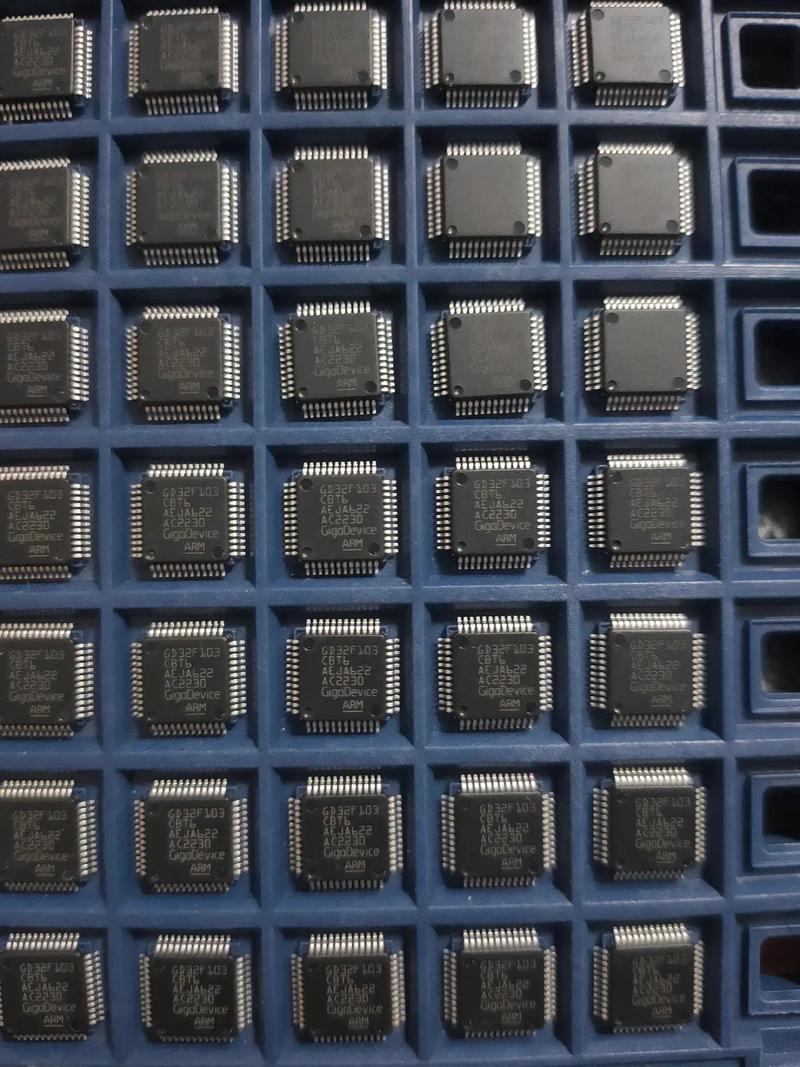
What key factors affect professional IC board design?
A high-quality IC board design is not just about placing components correctly. It involves a careful balance of electrical performance, mechanical stability, and manufacturability. Several key factors play a decisive role in achieving a professional result.
- Signal integrity: High-speed signals require controlled impedance, proper routing, and minimized interference
- Power distribution: Stable voltage delivery is essential for IC performance
- Thermal management: Heat must be effectively dissipated to maintain reliability
- Component placement: Strategic layout reduces noise and improves efficiency
- Material selection: The choice of substrate influences durability and performance
- Manufacturing compatibility: Design must align with fabrication and assembly processes
Additionally, modern IC board design often integrates advanced considerations such as electromagnetic compatibility (EMC) and miniaturization.
EBest Circuit (Best Technology), with its experience in PCB manufacturing and assembly, emphasizes these factors by offering a complete design-to-production workflow.
What are the 4 types of integrated circuits?
Integrated circuits can be broadly categorized into four main types, each serving distinct functional roles in electronic systems.
- Analog ICs:
These process continuous signals and are commonly used in amplification, filtering, and signal conditioning. Examples include operational amplifiers and voltage regulators. - Digital ICs:
Designed for binary operations, digital ICs form the backbone of computing systems. Microprocessors, memory chips, and logic gates fall into this category. - Mixed-signal ICs:
These combine analog and digital functionalities within a single chip. They are widely used in communication devices and data conversion systems. - Power ICs:
Focused on energy management, power ICs regulate voltage, control power flow, and improve efficiency in systems such as power supplies and automotive electronics.
Each type plays a unique role in IC board design, and many modern devices integrate multiple types to achieve complex functionality.
Which is better IC or transistor?
The question of whether an IC or a transistor is “better” depends entirely on the application. A transistor is a single electronic component, while an IC is a collection of many components integrated into one package.
A concise comparison helps clarify:
| Feature | Transistor | Integrated Circuit |
|---|---|---|
| Complexity | Single component | Multiple components combined |
| Functionality | Limited | Highly versatile |
| Size | Larger (when used in quantity) | Compact integration |
| Cost Efficiency | Higher for complex systems | Lower per function |
| Application | Basic switching/amplification | Complete system functions |
In modern electronics, ICs are generally preferred because they offer higher functionality in a smaller footprint. However, discrete transistors are still valuable in specific scenarios, especially where customization or high-power handling is required.
In professional IC board design, both elements may coexist, but ICs dominate due to their efficiency and scalability.
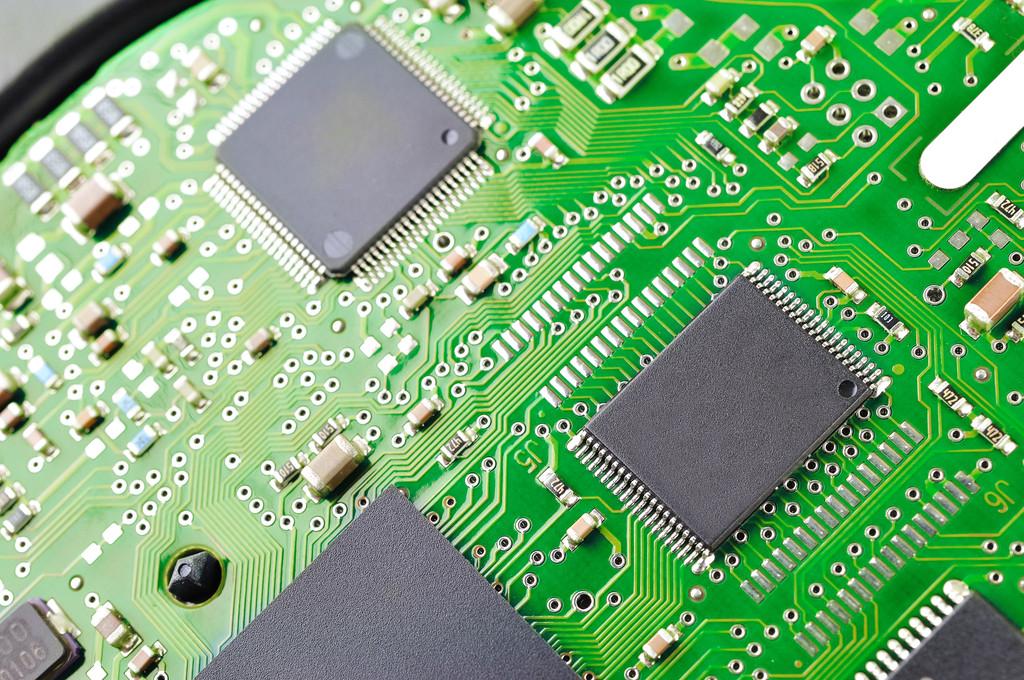
What IC board material is suitable for industrial equipment?
Material selection is a critical decision in IC board design, particularly for industrial equipment where reliability and durability are essential. The environment often involves temperature fluctuations, mechanical stress, and electrical noise, all of which influence material choice.
Common materials include:
- FR-4 (Flame Retardant Epoxy):
The most widely used PCB material, offering a strong balance of cost, durability, and electrical performance - High-Tg FR-4:
Enhanced thermal resistance, suitable for higher operating temperatures - Polyimide:
Excellent thermal stability and flexibility, often used in demanding environments - Ceramic substrates:
Superior thermal conductivity and electrical insulation, ideal for high-power applications - Metal-core PCBs:
Efficient heat dissipation, commonly used in power electronics and LED systems
For industrial IC boards, the choice often leans toward materials that provide:
- Stable electrical performance under load
- Resistance to heat and environmental stress
- Long operational lifespan
Manufacturers like EBest Circuit (Best Technology) tailor material selection based on application requirements, ensuring that each board meets both performance and durability expectations.
Summary:
IC board design bridges the gap between semiconductor innovation and real-world electronic systems. From understanding the fundamentals of IC design to selecting the right materials for industrial applications, every step contributes to the final product’s performance and reliability.
For businesses seeking efficient, cost-effective solutions, working with an experienced China IC board design manufacturer offers clear advantages. With strong engineering capabilities and streamlined production, companies like EBest Circuit (Best Technology) deliver high-quality designs aligned with global standards.
If you are exploring reliable IC board design solutions or need support for your next project, feel free to connect with us at: sales@bestpcbs.com
You may also like
Tags: cheap IC board design, China IC board design, IC and boards reference design, IC Board Design