LED Garden Light Aluminum PCB is specialized printed circuit board designed to manage heat in outdoor lighting systems effectively. This article will explore the benefits, design, and selection of these PCBs, positioning your project for success.
In real projects, many engineers and buyers encounter similar LED Garden Light PCB Design challenges.
Common Challenges
- Short LED lifespan: Poor heat dissipation accelerates lumen decay and reduces service life
- High thermal management cost: Extra heatsinks and cooling structures increase BOM and assembly complexity
- Outdoor design difficulty: Compact layouts must handle moisture, temperature variation, and mechanical stress
- Unstable supplier quality: Inconsistent materials and processes lead to performance and delivery risks
- Limited validation support: Lack of engineering input for thermal and reliability verification
Our Solutions
- Efficient heat dissipation: Aluminum PCB quickly transfers heat away from LEDs, improving lifespan and stability
- Cost-effective structure: Reduces the need for additional heatsinks, lowering total system cost
- Optimized for outdoor use: DFM support and material guidance ensure durability in harsh environments
- Consistent manufacturing quality: Stable processes ensure reliable thermal performance and on-time delivery
- Strict quality control: AOI, X-ray, and controlled production ensure high reliability for outdoor lighting
At Best Technology, we are a professional PCB and PCBA manufacturer with a deep specialization in Aluminum PCB (MCPCB) solutions. With two decades of experience, we offer full turnkey services—from design and prototyping to mass production and assembly. We understand the critical role of thermal management in LED garden lighting and are committed to providing high-performance, reliable Aluminum PCB LED garden lighting solutions. We are happy to assist with your LED garden light PCB projects. Please contact us at sales@bestpcbs.com for expert support and fast quotations.
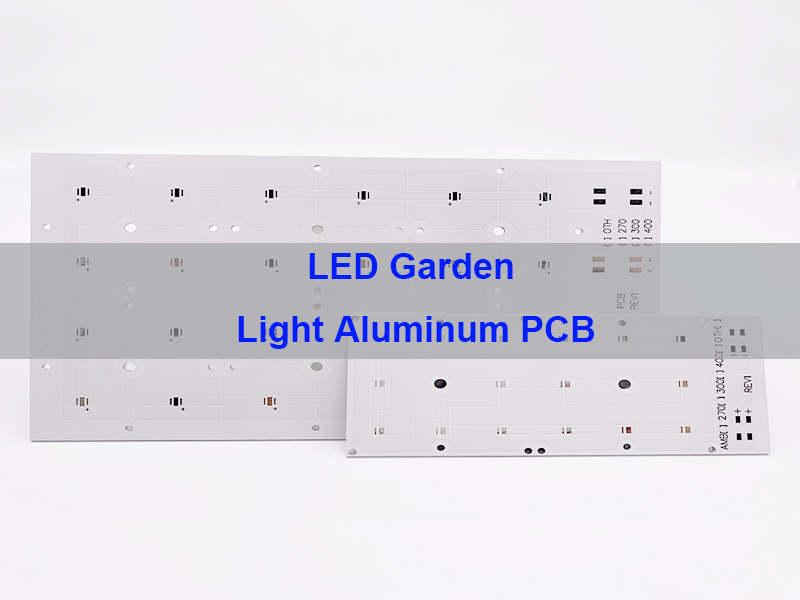
Benefits of LED Garden Light Aluminum PCB
In the demanding environment of garden and yard lighting, Aluminum PCBs offer distinct advantages over traditional FR4 boards. Their core benefit stems from a thermally conductive dielectric layer and a metal baseplate (usually aluminum), which efficiently draws heat away from the LED components.
- Excellent Thermal Management: The primary advantage. Aluminum substrates have a much higher thermal conductivity (typically 0.8-3.0 W/m.K) compared to FR4 (~0.3 W/m.K), effectively preventing LED overheating and luminous decay.
- Enhanced Longevity and Reliability: By maintaining lower junction temperatures, Aluminum PCBs significantly extend the lifespan of LEDs and drivers, reducing failure rates and maintenance needs for yard lighting.
- Improved Durability: The aluminum base adds structural rigidity and robustness, making the entire lighting fixture more resistant to vibration and physical stress in outdoor settings.
- Design Flexibility and Space Saving: They allow for higher power density and more compact designs by integrating the heatsink function into the PCB itself, eliminating separate bulky components.
- Environmental Suitability: Aluminum is resistant to corrosion and can be easily treated for additional weatherproofing, making it ideal for outdoor applications like garden light PCBs.
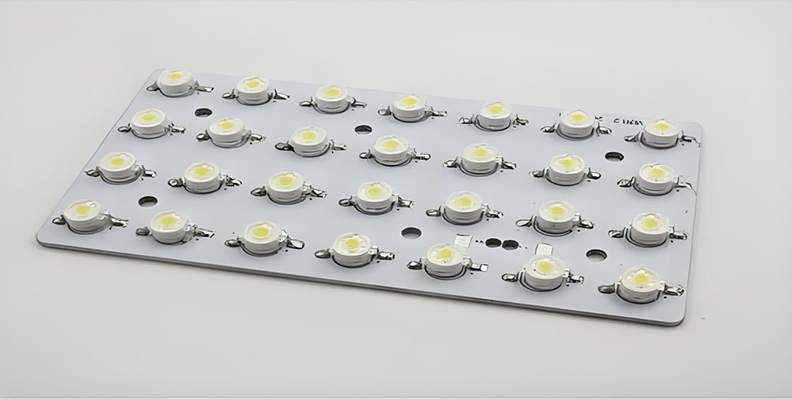
What Makes Aluminum PCB Ideal for LED Garden Lights?
Aluminum PCB for outdoor lighting is more than a standard circuit board. It is a thermal management solution designed for LED applications that need stable performance, long service life, and reliable operation in outdoor conditions.
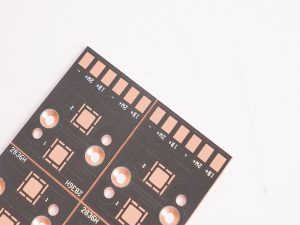
The reason lies in its structure. A typical aluminum PCB consists of a copper circuit layer, a thermally conductive dielectric layer, and an aluminum base. This combination allows the board to handle both electrical routing and heat dissipation in one compact structure. When LEDs are operating, heat generated at the junction can quickly move through the copper layer, pass the insulating dielectric, and spread into the aluminum base. From there, the heat is released much more efficiently than with ordinary FR4 boards.
This matters because heat is one of the main factors that affects LED performance. If thermal buildup is not controlled, the LED may suffer from faster lumen depreciation, color shift, reduced efficiency, and shorter operating life. In outdoor garden lights, this challenge becomes even more important because fixtures are often enclosed, exposed to sunlight, and required to work for long periods at night. A poor thermal path can quickly turn an attractive lighting design into a maintenance problem.
Aluminum PCB helps solve this issue by providing a direct and efficient heat dissipation path. Compared with traditional FR4, it offers several practical advantages for garden light design:
- Better heat transfer: The aluminum base spreads heat quickly, helping reduce LED junction temperature
- Longer LED lifespan: Lower operating temperature supports more stable light output over time
- Improved reliability: Reduced thermal stress helps protect solder joints and nearby components
- More compact structure: In many cases, the board itself contributes to heat management, reducing the need for bulky extra heatsinks
- Stable outdoor performance: Aluminum PCB is well suited for enclosed lighting modules used in yards, pathways, and landscape fixtures
Another reason aluminum PCB is ideal for LED garden lights is design efficiency. Outdoor lighting products often need to be slim, durable, and visually clean. Engineers do not want to add unnecessary thermal parts if the board itself can already manage heat effectively. By combining electrical performance and heat dissipation in one platform, aluminum PCB makes the overall fixture design simpler and more practical.
It also supports a wide range of garden lighting applications, including:
- Pathway lights
- Lawn lights
- Spike lights
- Wall-mounted garden fixtures
- Decorative landscape lighting
- Solar-integrated LED garden lights
For these products, consistent brightness and long-term durability are important selling points. End users expect outdoor lights to perform season after season without frequent replacement. Aluminum PCB helps manufacturers meet that expectation by improving thermal performance at the source.
In short, aluminum PCB is ideal for LED garden lights because it offers a more effective thermal path, supports longer product life, and makes outdoor lighting designs more reliable. For applications where heat, space, and durability all matter, it is often the most practical and cost-effective choice.
Key Design Considerations for Aluminum PCB in Garden Lights
Designing an effective aluminum PCB for LED garden lights requires a careful balance of thermal, electrical, and mechanical requirements. A well-planned design helps improve heat dissipation, product reliability, and production efficiency.
- Thermal conductivity: Choose a dielectric material with the right thermal conductivity, such as 1.0, 1.5, 2.0, or 3.0 W/m·K, based on LED power density and heat output. We offer multiple material options to match different thermal budgets.
- Copper thickness: Thicker copper improves current carrying capacity and heat spreading. Common choices are 1oz to 2oz, while higher-current designs may require thicker copper. We support standard copper weights and can provide up to 10oz for special applications.
- Dielectric layer insulation: The dielectric thickness affects both thermal resistance and electrical insulation. A thinner layer improves heat transfer, but it must also meet voltage isolation needs. We help optimize this balance according to your application.
- Board outline and mounting design: Garden light PCBs often require secure mounting and compatibility with outdoor housings. Tooling holes, mounting holes, slots, and special outlines should be considered early in the design stage. We support routing, V-cut, and custom mechanical structures.
- Surface finish selection: Outdoor lighting boards need finishes that perform well in humid environments. ENIG and lead-free HASL are common choices for stable solderability and corrosion resistance. We also offer OSP, immersion silver, and immersion tin based on project needs.
- Solder mask and legend: White solder mask is often selected for higher light reflectivity, while black is preferred for premium appearance. UV resistance and flame-retardant properties are also important for outdoor applications. We provide multiple solder mask colors with UL94V-0 compliant materials.
Aluminum PCB vs FR4 PCB: Which is Better for Your Garden Light Project?
Choosing the right substrate is pivotal. The table below contrasts the two for garden light PCBs:
| Feature | Aluminum PCB (MCPCB) | Standard FR4 PCB |
|---|---|---|
| Core Material | Aluminum Alloy (e.g., 6061) | Woven Glass Fiber & Epoxy Resin |
| Thermal Conductivity | High (0.8 – 3.0 W/m.K) | Low (~0.3 W/m.K) |
| Primary Function | Power & Heat Dissipation | Electrical Interconnection Only |
| Heat Management | Excellent, integrated solution | Poor, requires external heatsink |
| Mechanical Strength | Very High, rigid | Moderate, can be flexible |
| Typical Application | High-power LED lighting, power converters | Consumer electronics, digital circuits |
| Cost (Board Level) | Higher | Lower |
| System Cost | Often lower (no added heatsink) | Can be higher (requires heatsink) |
| Ideal for Garden Lights? | YES – for high brightness, longevity, and reliability. | Only for very low-power, non-critical indicator lights. |
For any garden light where brightness, longevity, and reliability are priorities, Aluminum PCBs for outdoor lighting are the unequivocally better choice.
Best Technology’s Aluminum PCB Manufacturing Capabilities
Our expertise ensures your High thermal conductivity Aluminum PCB is built to the highest standards. Here’s a snapshot of our key capabilities relevant to LED garden light production:
- Layers & Materials: Up to 10-layer MCPCBs. Standard Aluminum (6061) and Copper core substrates.
- Thermal Conductivity Options: Standard (0.8-1.0 W/m.K), Medium (1.5 W/m.K), and High (2.0, 3.0 W/m.K) dielectric layers.
- Board Size & Thickness:
- Max Dimension: Up to 24″ x 64″ (610 x 1625mm).
- Thickness Range: 0.3mm to 4.0mm.
- Copper Weight: 0.5 oz to 10 oz.
- Minimum Trace/Space: 6/6 mil (0.15/0.15mm).
- Surface Finishes: ENIG, HASL (Lead-Free), Immersion Silver/Tin, OSP, and more for reliable solderability outdoors.
- Fast Prototype Lead Time: As quick as 24 hours for 1-layer standard specs.
- Quality & Testing: Full suite including Flying Probe Test, AOI, and rigorous thermal stress testing (3x at 280°C) to ensure durability.
- Full Turnkey Service: From PCB design and manufacturing to component sourcing, PCB Assembly (PCBA), and final box build assembly.
How Does Aluminum PCB Improve LED Garden Light Lifespan and Reliability?
Aluminum PCB plays a decisive role in extending the service life of LED garden lights, especially in outdoor environments where thermal stress and humidity are persistent challenges.
The core advantage lies in its superior thermal management capability. Compared to conventional FR4 boards, aluminum PCBs use a metal base layer that efficiently dissipates heat away from LEDs. This reduces junction temperature, which is one of the primary factors affecting LED degradation.
In practical terms, every 10°C reduction in junction temperature can significantly increase LED lifespan, often doubling the operating hours under stable conditions.
Key mechanisms include:
- Direct heat conduction path
Heat flows from the LED chip → dielectric layer → aluminum base, minimizing thermal resistance. - Uniform heat spreading
Prevents localized hot spots that can cause premature failure or color shift. - Reduced thermal cycling stress
Stable temperature minimizes expansion and contraction, protecting solder joints. - Improved driver stability
Lower operating temperature enhances performance of nearby electronic components.
For outdoor garden lighting, this translates into:
- Longer maintenance intervals
- Consistent brightness and color output
- Lower failure rates in high-humidity or high-temperature environments
In high-power LED applications such as landscape lighting, aluminum PCB is not just an option—it is a reliability requirement.
What Materials and Stackups Are Used in LED Garden Light Aluminum PCB?
The performance of an aluminum PCB is largely determined by its material composition and stackup structure. A typical LED garden light aluminum PCB uses a 3-layer structure designed for both electrical insulation and thermal conduction.
Typical Aluminum PCB Stackup
| Layer | Material | Function |
|---|---|---|
| Top Layer | Copper (1oz–3oz) | Circuit routing and LED mounting |
| Dielectric Layer | Thermally conductive insulating material (1–5 W/m·K) | Electrical insulation + heat transfer |
| Base Layer | Aluminum (1.0–2.0 mm) | Heat dissipation and mechanical support |
Key Material Options
1. Copper Layer
- Standard: 1oz–2oz
- High-power designs: up to 3oz
- Thicker copper supports higher current and improves thermal spreading
2. Dielectric Layer
- Critical for thermal performance
- Typical thermal conductivity:
- Standard: 1–2 W/m·K
- High-performance: 3–5 W/m·K
- Must balance insulation strength and heat transfer efficiency
3. Aluminum Base
- Common alloy: 5052 / 6061
- Thickness: 1.0mm–2.0mm (can be customized)
- Acts as both heat sink and structural backbone
Optional Enhancements
- Surface Finish: ENIG, HASL, OSP for corrosion resistance
- Solder Mask: White mask improves light reflectivity
- Thermal Via Design (in hybrid structures)
- SinkPAD / Direct Thermal Path for ultra-high power LEDs
For outdoor applications, material selection must also consider:
- Moisture resistance
- Corrosion protection
- UV stability
A well-optimized stackup ensures stable performance across temperature cycles and long-term exposure.
How to Choose a Reliable Aluminum PCB Manufacturer for Outdoor Lighting Projects?
Selecting the right aluminum PCB manufacturer directly impacts product quality, cost control, and project timelines. For outdoor LED lighting, the requirements are stricter due to environmental exposure and long lifecycle expectations.
Here are the key evaluation criteria:
1. Thermal Design Expertise
A qualified manufacturer should not only fabricate PCBs but also provide:
- Thermal simulation support
- Stackup optimization suggestions
- LED heat dissipation design guidance
This is especially important for high-power garden lighting systems.
2. Material Sourcing and Verification
Reliable suppliers use:
- Certified aluminum substrates
- Stable dielectric materials with consistent thermal conductivity
- RoHS / REACH compliant materials
Material inconsistency is a hidden risk in long-term outdoor use.
3. Manufacturing Capability
Look for capabilities such as:
- Copper thickness up to 3oz or higher
- Tight tolerance control (±10%)
- Large panel size support for lighting modules
- SMT assembly integration if needed
An integrated PCB + PCBA provider reduces communication cost and lead time.
4. Quality Control and Testing
Outdoor lighting requires high reliability. Ensure the manufacturer provides:
- AOI (Automated Optical Inspection)
- X-ray inspection for critical joints
- Thermal cycling tests
- Functional testing for LED boards
Traceability systems (MES) are a strong indicator of process control maturity.
5. Experience in Lighting Applications
A manufacturer with real project experience can:
- Recommend optimal copper thickness
- Suggest cost-effective stackups
- Avoid common design pitfalls in LED layouts
This shortens development cycles and reduces rework risk.
6. Responsiveness and Engineering Support
Fast response matters in B2B projects. A reliable partner should offer:
- DFM feedback within 12–24 hours
- Dedicated project engineer
- Clear communication during production
In summary, the best supplier is not the cheapest—but the one who ensures consistent quality, thermal reliability, and predictable delivery.
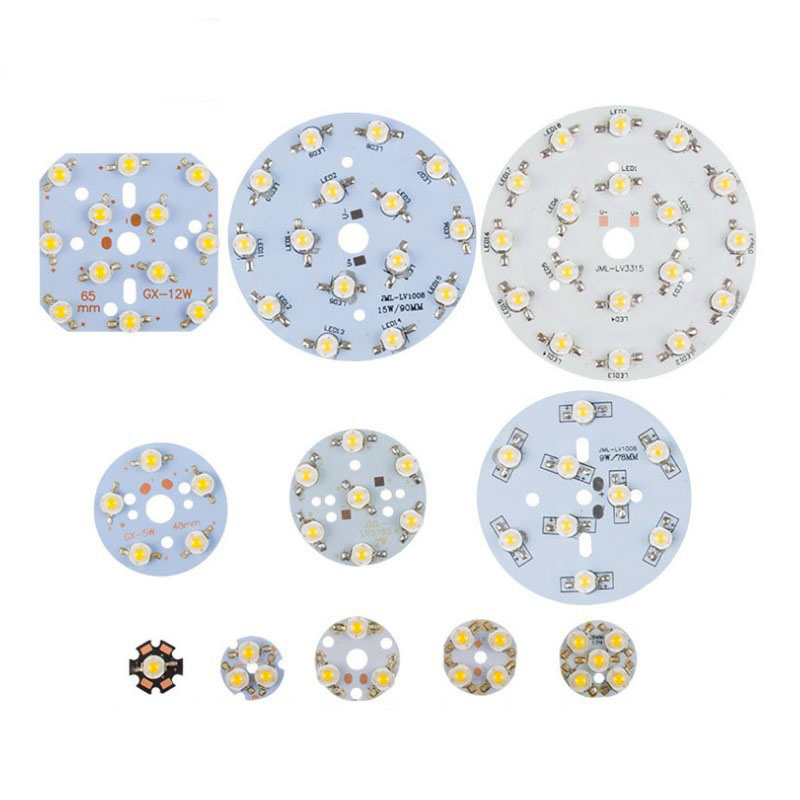
In brief, LED Garden Light Aluminum PCBs are the engineering cornerstone for durable, bright, and efficient outdoor lighting, directly solving the critical challenge of heat management. This article has detailed their benefits, ideal properties, key design factors, and superiority over FR4 for this application. For a successful project, partnering with an experienced manufacturer is key.
Best Technology (EBest Circuit) specializes in providing high-performance, reliable Aluminum PCBs and full turnkey PCBA solutions. With 20 years of expertise, advanced capabilities, and a commitment to quality, we are your ideal partner for bringing high-quality LED garden lighting products to market. Pls feel free to contact us anytime for your PCB needs via sales@bestpcbs.com.
FAQs About LED Garden Light Aluminum PCB
What thickness is recommended for aluminum PCB in garden lights?
Typically, the aluminum base thickness ranges from 1.0mm to 1.6mm. For higher power applications, 2.0mm may be used to improve heat dissipation.
Why is white solder mask commonly used in LED PCBs?
White solder mask enhances light reflectivity, improving luminous efficiency and overall brightness output in lighting applications.
Can aluminum PCB be used for waterproof outdoor lighting?
Yes. Aluminum PCBs are suitable for outdoor use when combined with:
- Waterproof housing (IP65/IP67)
- Conformal coating or sealing
- Corrosion-resistant surface finishes
What is the difference between standard aluminum PCB and SinkPAD?
SinkPAD (Direct Thermal Path) removes the dielectric layer under the LED, allowing heat to transfer directly to the aluminum base, resulting in much lower thermal resistance.
How long does an aluminum PCB LED board typically last?
With proper thermal design, LED garden light PCBs can achieve 50,000+ hours lifespan, depending on operating conditions and material quality.
Is aluminum PCB more expensive than FR4?
Yes, initial cost is higher. However, aluminum PCB reduces failure rates and maintenance costs, making it more cost-effective over the product lifecycle.