





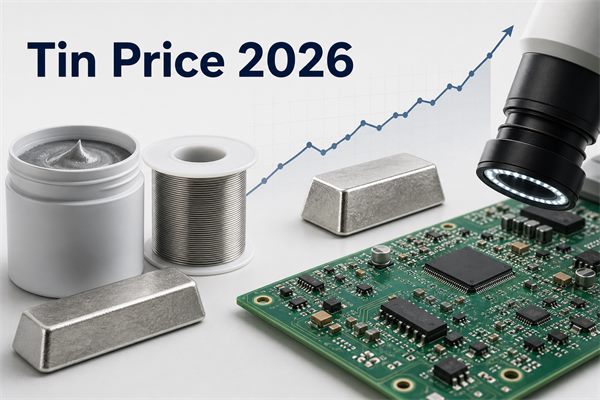
Tin price 2026 volatility matters to electronics buyers because tin is the dominant metal in common PCB assembly solders. On January 15, the International Tin Association reported that the LME three-month contract had closed at US$53,462 per metric tonne, a nominal record at that time.
The important procurement lesson is narrower than “all PCBA prices must rise.” A metal benchmark can pressure solder paste, wire and bar costs, but the effect on a finished assembly depends on alloy, solder consumption, inventory timing, board complexity, labor, component cost and the commercial terms of the quotation.
What Happened to the Tin Price in 2026?
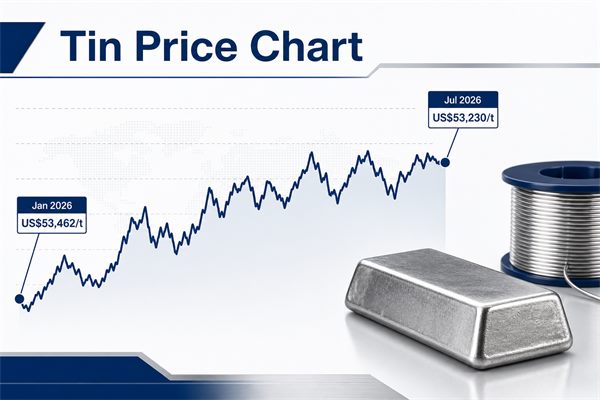
Tin moved to historically high nominal levels early in 2026 and remained expensive and volatile into July. The International Tin Association recorded a US$53,462/t three-month close in mid-January. On the LME public delayed page, the latest accessible dated snapshot used for this article showed a US$52,400/t three-month offer and a US$53,230/t three-month closing price for July 27.
Those figures are reference points, not a supplier quotation. Tin is quoted in US dollars per metric tonne, while a buyer purchases a processed solder product with a defined alloy, powder size or wire diameter, flux system, package size, delivery location and payment term.
| Dated Reference | Value | How to Use It |
| January 15, 2026 ITA report | LME 3-month close: US$53,462/t | Confirms the early-year nominal record |
| July 27, 2026 LME delayed data | 3-month offer: US$52,400/t | Later benchmark for directional comparison |
| July 27, 2026 LME delayed data | 3-month close: US$53,230/t | Shows that elevated pricing persisted, with daily volatility |
How Should Buyers Read Tin Price Today and a Tin Price Chart?
Tin price today is only a dated market signal; a tin price chart is more useful when it is read with contract type, currency, unit and observation date. Cash, three-month and monthly contracts can show different values, and a delayed public page is not the same as a live tradeable price.
Before comparing a metal chart with a solder quotation, check:
- whether the figure is cash, three-month or another contract;
- whether it is a bid, offer, settlement or closing price;
- whether the unit is US$/t, US$/kg or a local-currency unit;
- the business date and whether the data are delayed;
- the quotation validity period and the supplier’s inventory date.
Why Has Tin Been So Volatile?
The 2026 rally combined persistent supply concerns with investment-driven price movement in a relatively small market. The International Tin Association pointed to continuing disruption in Myanmar and the Democratic Republic of Congo, a temporary Indonesian export pause around permit renewals, higher investor activity, broader base-metal strength and a weaker US dollar.
That combination can move prices faster than physical electronics demand alone would justify. It also means a high price can correct sharply. Buyers should therefore avoid treating one intraday spike as a permanent cost floor or using one historical low as a guaranteed purchasing target.
Why Does Tin Cost Matter to Electronics Solder?
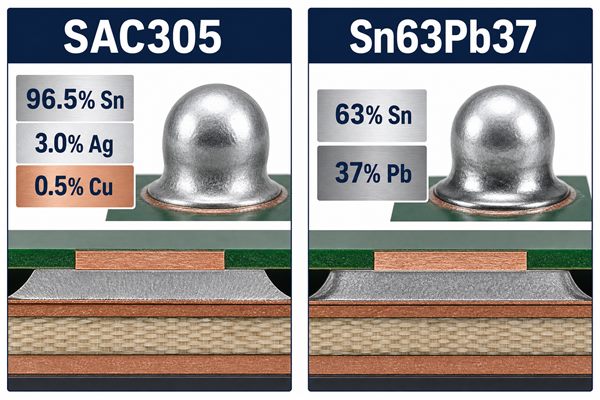
Tin matters because it represents most of the metal content in widely used electronic solder alloys. SAC305 lead-free solder is 96.5% tin, 3.0% silver and 0.5% copper. Traditional Sn63Pb37 solder contains 63% tin and 37% lead.
The exposure is not identical:
- SAC305: highly sensitive to tin, but silver and copper also affect alloy cost.
- Sn63Pb37: has lower tin content, but regulatory and product requirements limit where leaded solder may be used.
- Low-silver and specialized alloys: use different metal mixes and cannot be priced by applying the SAC305 ratio.
- Solder paste: includes metal powder plus flux chemistry, processing, packaging and shelf-life controls.
For more alloy and process context, see our guides to leaded versus lead-free solder and lead-free solder material.
How Does Tin Price Affect Tin Solder Price?
Tin solder price usually feels upward pressure when the tin benchmark rises, but it does not move by the same percentage or on the same day. A solder producer may be using metal bought earlier, a monthly average, a contract formula or replacement-cost pricing.
A practical solder quotation can include:
- the value of tin, silver, copper, lead or other alloying metals;
- alloying, refining and powder-atomization conversion costs;
- flux chemistry for paste or cored wire;
- wire drawing, bar casting, testing and packaging;
- freight, currency conversion, minimum order quantity and supplier margin.
This is why a quote should state the exact alloy and product form. “Solder” alone is not a controlled purchasing description.
How Could Lead Free Solder Price Respond?
Lead free solder price can be especially exposed to tin because common SAC alloys contain more than 95% tin by weight. However, the total price also reflects silver content, flux system, powder size, quality controls and packaging, so the response can be delayed or amplified relative to the LME move.
For solder paste, buyers should also confirm alloy, powder type, flux classification, package size, storage condition and expiry date. Substituting a cheaper paste without checking wetting, voiding, residue, stencil transfer and reliability requirements can create a process cost larger than the material saving. Our explanation of solder paste and its function covers those process variables.
Does a Tin Price Increase Equal the Same PCBA Price Increase?
No. A tin-price percentage must not be copied directly into a PCBA-price percentage. Solder is only one input to an assembled board, and its share varies greatly by product.
| Cost Element | Relationship to Tin | What Changes the Impact |
| Solder paste | Direct metal-content exposure | Alloy, deposit volume, transfer efficiency and waste |
| Wave solder bar | Direct alloy exposure | Bath size, dross generation, replenishment and recovery |
| Components | Mostly indirect | BOM mix, lead time, allocation and supplier pricing |
| Bare PCB | Limited direct solder input | Surface finish, laminate, copper and fabrication complexity |
| Assembly labor and testing | No direct metal formula | Placement count, inspection, test coverage and rework |
A dense through-hole assembly using wave solder may consume more solder per unit than a small, fine-pitch SMT board. A component-heavy assembly may have a high total price but a small solder-cost share. The correct calculation starts with actual process consumption, not a headline metal percentage.
Which Build Factors Amplify or Limit the Cost Impact?
Solder usage, purchase timing and product design determine how visible tin volatility becomes in a PCBA quotation. The main variables are:
- Assembly process: SMT paste printing, selective soldering, wave soldering and hand soldering consume different forms and quantities.
- Joint count and volume: connector pins, large terminals, thermal pads and through-hole barrels can raise metal consumption.
- Alloy requirement: SAC305, Sn63Pb37 and specialized alloys have different metal exposure and qualification limits.
- Production yield: paste waste, dross, rework and scrap convert purchased material into different numbers of accepted boards.
- Order size and timing: a prototype may use little solder per order, while volume production can justify negotiated material terms.
- Quote validity: long validity periods carry more commodity and currency risk than short, dated offers.
What Should PCB Assembly Buyers Do Before Placing Orders?
Buyers should stabilize technical requirements first, then ask how the quotation handles material validity and substitution. A useful package includes:
- Gerber files, fabrication notes and the current BOM revision;
- approved solder alloy and any RoHS or product-specific restrictions;
- expected quantity, batch schedule and delivery destination;
- assembly drawing, stencil requirements and special process notes;
- test requirements, acceptable alternates and change-approval rules.
Ask for the quote date, validity period, currency, Incoterm, material assumptions and any escalation clause. For repeat builds, forecasted releases can help separate genuine material changes from emergency purchasing premiums. Our PCB assembly services and SMT PCBA process pages explain the manufacturing information needed for quotation and production planning.
FAQ About Tin Price 2026 and PCBA Cost
Did tin reach a record price in 2026?
Yes. The International Tin Association reported a nominal record LME three-month close of US$53,462/t in January 2026.
Is the LME tin price the same as a solder supplier price?
No. LME tin is a metal benchmark. A solder price includes alloying metals, conversion, flux or wire processing, testing, packaging, freight and commercial terms.
Why can tin price today differ from a supplier quote?
The dates, contract references, currencies, inventory positions and averaging methods may differ. A supplier may also have bought metal before the current market move.
Does SAC305 contain mostly tin?
Yes. SAC305 contains 96.5% tin, 3.0% silver and 0.5% copper by weight.
Will every lead-free alloy change by the same amount?
No. Alloy composition, supplier inventory, conversion cost and purchase terms vary.
Does a higher tin price automatically increase bare PCB cost?
Not by the same direct mechanism as solder. Bare-board cost is more strongly affected by laminate, copper, surface finish, dimensions and process complexity.
Which assembly process uses the most solder?
There is no universal answer. Wave and selective soldering can consume substantial bar solder, while SMT consumption depends on stencil deposits, pad count and rework.
Should buyers switch solder alloy to reduce cost?
Only after engineering and compliance review. Alloy changes can affect process temperatures, wetting, reliability, inspection and product qualification.
How often should buyers check a tin price chart?
Check it when planning large or repeat orders, but compare dated averages and quotation terms rather than reacting to every intraday move.
What information helps a PCBA supplier quote accurately?
Provide Gerbers, BOM, assembly drawings, alloy and compliance requirements, quantity, schedule, test plan and approved substitution rules.
Market conditions continue to change, so this tin price 2026 article uses dated public reference points rather than presenting a live quotation.
How Can EBest Circuit Help Plan PCBA Builds During Tin Price Volatility?
At EBest Circuit, we review the BOM, assembly process, solder-alloy requirement, production quantity and test plan together so the quotation reflects the actual build instead of a headline metal percentage. For a current PCB or PCBA project, send your Gerber files, BOM, quantity and schedule to sales@bestpcbs.com. We will evaluate the applicable materials and manufacturing route for your project.
You may also like

Tags: lead free solder price, tin price 2026, tin price chart, tin price today, tin solder price