





PCB prototyping in Turkey is a reliable, technically advanced service tailored to diverse industry needs, with local manufacturers offering flexible solutions for small-batch and custom requirements. PCB prototyping in Turkey leverages strategic geographic access to Europe and the Middle East, combining international quality standards with efficient turnaround times. Local providers specialize in industries like medical, aerospace, and industrial equipment, delivering prototypes that meet strict technical and regulatory demands.
Which Turkish Manufacturers Offer Reliable PCB Prototyping Services?
| Company | Advantages | PCB Prototyping Types | Typical Lead Time |
| EBest | 20+ years in PCB manufacturing; expertise in high-speed/RF designs, HDI, and rigid-flex; full DFM support; ISO 9001/13485/16949 certifications | Multilayer (up to 20L), HDI, rigid-flex, flex, heavy-copper, medical-grade PCBs | 5–7 days (standard); 24–72 hours (rapid 1–6 layer) |
| Odak PCB | Europe-scale capacity; 24/7 support; automated lines; LED/industrial focus | Single/double-sided, multilayer (up to 20L), flex, rigid-flex, LED PCBs | 24–72h (rapid); 5–10 days (standard) |
| Net Elektronik | End-to-end design–manufacture–assembly; aerospace/defense expertise | Single/double-sided, multilayer, HDI, rigid-flex | 48–72h (rapid); 7–10 days (standard) |
| Demsay Elektronik | R&D certified; medical device specialization; strict QC | Single/double-sided, multilayer, flex, ceramic PCBs | 72h (rapid); 5–8 days (standard) |
| Asik Elektronik | Small-batch specialist; no MOQ; ISO 9001/UL; industrial focus | Single/double-sided, multilayer, gold-coated, aluminum-based PCBs | 3–5 days (standard); 7–10 days (complex multilayer) |
| Baski Devre | 40+ years experience; heavy-copper and high-layer capability | Up to 32-layer, flex, heavy-copper, hybrid, long LED PCBs | 7–12 days (standard); 3–5 weeks (mass production) |
| EMS Elektronik | High-precision SMT lines; automotive/medical expertise | PCB + PCBA; SMD/THT assembly; multilayer prototypes | 2–3 weeks (NPI); 4–6 weeks (mass production) |
| Aktifses Electronics | High-precision placement; one-stop fab + assembly | LED, industrial, consumer electronics prototypes | 48–72h (rapid); 5–8 days (standard) |
| OME Elektronik | IPC Class3 compliance; comprehensive one-stop solutions | Single/double-sided, multilayer, flex, buried/blind via | 3–5 days (standard); 7–10 days (complex) |
| PCI Elektronik | EMC pre-compliance testing; end-to-end project management | Multilayer, PCBA, custom prototypes for industrial/medical | 5–8 days (standard); 2–4 weeks (PCBA) |
What Types of PCB Prototypes in Turkey Offer?
Below are types of PCB prototyping in Turkey offer:
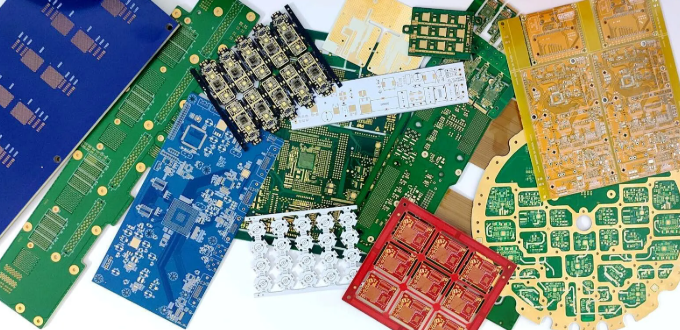
- Single-Sided PCB: Low-cost, simple circuits (e.g., industrial sensors). Supported by all Turkish providers (e.g., Asik Elektronik, Odak PCB) with 24–48h rapid lead times.
- Double-Sided PCB: Components on both sides with vias, ideal for LED lighting/medical devices. Standard 48–72h rapid prototyping with FR-4 consistency.
- Multilayer (4–32L) PCB: High-density routing for aerospace/medical systems. EBest (up to 20L) and Baski Devre (32L) offer impedance control and signal integrity.
- HDI PCB: Micro-vias/fine-pitch (≤0.1mm) for wearables/industrial controls. Offered by Net Elektronik, EMS Elektronik, and EBest.
- Flexible & Rigid-Flex PCB: Polyimide/PET for curved designs; rigid-flex for integrated form factors. Demsay Elektronik and EBest specialize in medical/industrial use cases.
- Heavy-Copper (2–6 oz) PCB: High-current applications (e.g., power supplies). Baski Devre and EBest provide thermal stability.
- Aluminum-Based (MCPCB): High heat dissipation for LEDs/power amps. Asik Elektronik and Odak PCB offer customizable thermal options.
- Ceramic PCB: High-temperature/stiffness for medical/aerospace sensors. Demsay Elektronik provides ceramic prototypes for extreme environments.
What Quality Certifications Should PCB Prototyping in Turkey Hold?
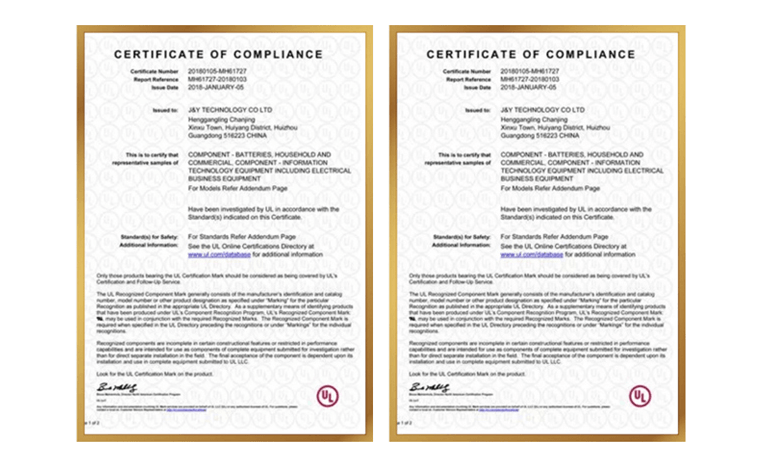
All reputable Turkey PCB prototype providers hold international certifications to ensure reliability, compliance, and performance. Key certifications include:
- ISO 9001: The foundational quality management certification, ensuring consistent processes and product quality across all prototyping stages. Mandatory for all professional providers in Turkey.
- IATF 16949: Critical for prototypes used in automotive and aerospace industries, covering strict quality controls for high-reliability applications like aircraft control systems.
- ISO 13485: Required for medical device PCB prototyping in Turkey, ensuring compliance with global medical standards for prototypes used in implanted devices and diagnostic equipment.
- UL Certification: Validates fire safety and electrical performance, essential for prototypes used in industrial equipment and consumer electronics sold in global markets.
- RoHS & REACH Compliance: Mandatory for all prototypes, ensuring they meet EU environmental standards by restricting hazardous substances like lead and mercury.
What Technical Capabilities do Turkish PCB Prototyping Companies Offer?
Providers offer advanced capabilities to handle simple to complex designs, with industry-specific expertise:
- Multilayer Prototyping: Support for up to 32 layers, with blind/buried vias and impedance control (50–100Ω) to ensure signal integrity for aerospace and medical imaging applications.
- HDI & Fine-Pitch: Capable of fine-pitch routing down to 0.1mm, with micro-vias for space-efficient, compact designs suitable for medical wearables and aerospace avionics.
- Flex & Rigid-Flex: Polyimide-based flexible and rigid-flex designs, resistant to bending and extreme temperatures, ideal for space-constrained industrial and automotive applications.
- Specialized Materials: Use of high-temperature FR-4 TG170, Rogers, and aluminum substrates to support industrial, high-frequency, and high-heat applications.
- Comprehensive Testing: AOI, flying probe, thermal, and EMC pre-compliance testing to verify signal integrity, reliability, and performance of prototypes.
- DFM Support: Pre-prototyping design reviews to identify potential flaws early, minimizing rework and ensuring compatibility with industrial and medical project requirements.
What is the Average Lead Time for PCB Prototyping in Turkey?
| Layer Count | Typical Lead Time | Industry Example |
| 1–2L | 24–48 hours | Basic industrial sensors |
| 4–6L | 48–72 hours | Medical device control modules |
| 1–4L | 3–5 days | Industrial power supplies (Asik Elektronik) |
| 6–12L | 5–8 days | Aerospace navigation systems (Net Elektronik) |
| 12L+ / HDI / Flex | 8–12 days | Advanced medical imaging devices (EBest) |
How Much Does PCB Prototyping in Turkey Cost?
The cost of PCB prototyping in Turkey typically ranges from $50 to $800 per small batch (5–10 units), with basic single-sided prototypes at the lower end ($50–$150), double-sided prototypes in the mid-range ($100–$300), and complex prototypes (multilayer, HDI, flex, or medical/aerospace-grade) at the higher end ($300–$800).
The key factors influencing the cost include the number of layers (more layers lead to higher costs), prototype complexity (such as HDI fine-pitch routing, blind/buried vias, or flexible substrates), material type (specialized materials like Rogers, polyimide, or aluminum substrates cost more than standard FR-4), lead time (rapid prototyping with 24–72 hour delivery adds a premium), quality certifications (industry-specific certifications like ISO 13485 for medical devices increase costs), and batch size (smaller batches have higher per-unit costs due to setup fees).
How to Choose the Best PCB Prototyping partner in Turkey?
Selecting the right PCB prototyping in Turkey partner ensures quality, on-time delivery, and compliance. Follow these actionable steps:
- Verify Industry-Specific Certifications: Confirm the provider holds certifications relevant to your project, such as ISO 13485 for medical devices, IATF 16949 for aerospace, and UL for industrial applications. This ensures compliance with global and regional regulations.
- Assess Technical Alignment: Ensure the partner can handle your design’s specific requirements, including layer count, substrate materials, and special processes like HDI, flex, or heavy-copper. Ask for examples of similar projects they’ve completed.
- Evaluate Lead Time Reliability: Check if the provider offers flexible lead times, including 24–72 hour rapid prototyping for time-sensitive projects. Confirm their track record of on-time delivery, especially for complex prototypes.
- Review Quality Control Processes: Inquire about their testing methods, such as AOI, flying probe, and thermal testing, and ask for their defect rate (target <0.5%). A robust QC process prevents costly rework and ensures prototype performance.
- Check Industry Experience: Prioritize partners with proven experience in your sector, such as medical device or aerospace PCB prototyping in Turkey. They will understand unique industry requirements and potential challenges.
- Request Prototype Samples: Test a small batch sample to validate material quality, precision, and adherence to your design specs. This step confirms the partner can consistently deliver the quality you need.
How Do Local vs. Global PCB Providers in Turkey Differ in Experience?
| Aspect | Local Turkish Providers | Global Providers (in Turkey) |
| Regional Compliance | Deep expertise in EU/Turkish regulations (e.g., medical device registration) | Strong global compliance but limited local regulatory knowledge |
| Industry Focus | Specialized in medical, aerospace, and industrial equipment | Broad industry coverage but less depth in Turkish key sectors |
| Communication | Local language support, 2–4 hour response times, in-person assistance | Time zone delays, limited in-person support |
| Lead Time Reliability | Faster, no international shipping delays; flexible for last-minute changes | Longer due to shipping; less agile for urgent adjustments |
| Customization | Highly flexible for small-batch, custom designs | Better for large orders but less flexible for unique projects |
FAQs About PCB Prototyping Service in Turkey
Q1: Can Turkish providers deliver PCB prototyping in Turkey for medical devices requiring biocompatibility?
A1: Yes, providers like EBest, Demsay Elektronik, and Net Elektronik hold ISO 13485 and use biocompatible materials (medical-grade FR-4, polyimide). They conduct biocompatibility testing and use ENEPIG surface treatment to prevent nickel migration, ensuring patient safety for implanted and diagnostic devices.
Q2: How to resolve signal interference in PCB prototyping in Turkey?
A2: Turkish firms offer DFM support to prevent interference during design. For existing issues, they implement impedance control (50–100Ω), differential routing for high-speed signals, and ground plane shielding for aerospace prototypes. Shortening parallel trace lengths reduces crosstalk, ensuring signal integrity for critical systems.
Q3: Are Turkey PCB prototype solutions compatible with global industrial standards?
A3: Yes, all professional providers meet UL, IEC, and EU regulations (RoHS, REACH). They produce high-temperature designs for industrial control panels and have experience supplying global brands with strict compatibility requirements, ensuring seamless integration into worldwide equipment.
Q4: How to reduce lead times for complex PCB prototyping in Turkey?
A4: To speed up delivery, submit complete Gerber files and BOMs upfront. Choose providers with in-house testing (AOI, flying probe) to avoid rework delays. For complex multilayer projects, leverage pre-prototyping DFM checks to identify flaws early and prioritize providers with rapid 1–6 layer capabilities (24–72 hours).
Q5: What materials suit high-temperature PCB prototyping in Turkey?
A5: Leading providers use high-temperature materials like FR-4 TG170 (up to 260°C), polyimide, and aluminum substrates. These are ideal for industrial power supplies, aerospace components, and automotive systems. EBest and Baski Devre specialize in these materials, ensuring durability in extreme thermal environments.
Tags: PCB prototyping in Turkey, PCB prototyping services in Turkey, Turkey PCB prototype